Matcha has become the drink of the new generation — luminously green, photogenic, and, perhaps most importantly, healthy. Among younger consumers, it has replaced coffee as the new “it” drink, while doubling up as a wellness ritual: bright, vegetal, and clean. On TikTok and in cafés from London to California, matcha lattes are served in sleek glass tumblers, often accompanied by claims of “sustained energy,” “glowing skin,” and “antioxidant power.”
Matcha
The fascination is not without foundation. Scientific studies suggest that this powdered green tea made by whisking whole ground leaves, contains unusually high concentrations of catechins, L-theanine, and chlorophyll, compounds known to reduce oxidative stress, enhance focus, and support metabolic health. It’s no wonder athletes and wellness devotees have adopted it as a natural pre- or post-workout drink.
And yet, behind the image of matcha as a superfood lies a deeper story — one of Japanese craftsmanship, scarcity, and the uneasy meeting of ancient ritual and modern demand.
From Kagoshima to London
Recently, I was invited to a lunch in London organised by the Japanese Embassy to the UK, bringing together some of the finest tea producers from Kagoshima, Japan’s southernmost major tea region. Among them was a senior gentleman — one of Kagoshima’s most respected producers — who listened intently as we spoke about how matcha has become popular in Europe and the United States.
In Japan, matcha has never been drunk with milk; it is not a trend but a living heritage.
When I mentioned that it is often served with milk, even oat or almond milk, he looked genuinely surprised. “Milk in matcha?” he asked softly, his brows lifting.
His reaction captured a cultural divide. In Japan, matcha has never been drunk with milk; it is not a trend but a living heritage: an expression of terroir and precision. Belonging to the world of tea ceremonies, where “ceremonial grade” denotes its highest quality. Yet as global trends circle back, even in Japan the idea of drinking matcha with milk is beginning to appear, a small but telling sign of how tradition and modern taste continue to intertwine.
The Craft of Green
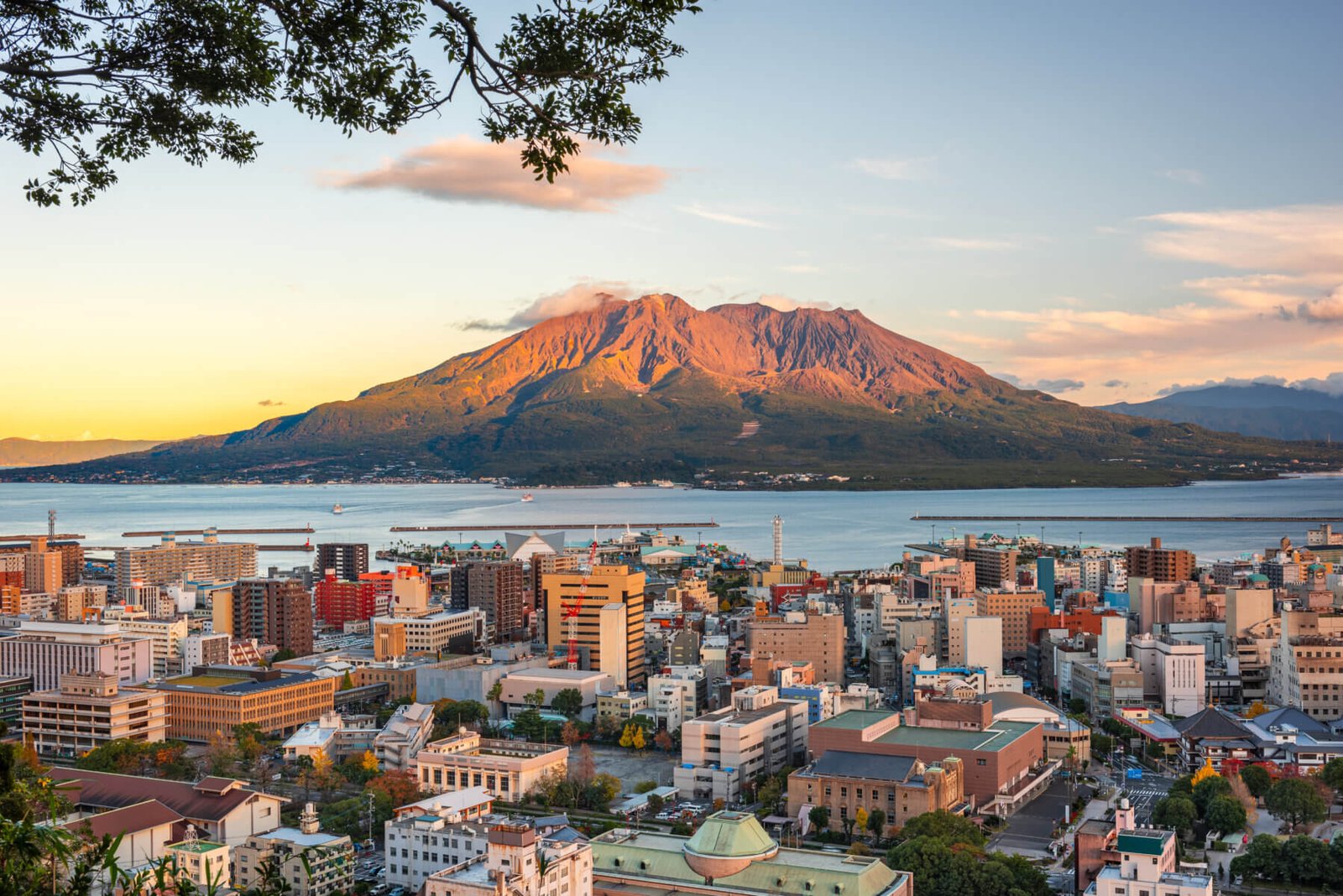
Authentic Japanese matcha is born of meticulous cultivation. In Kagoshima, where volcanic soils from Sakurajima enrich the land, farmers begin their year as magnolia buds bloom — a sign that the first flush (ichibancha) is near. For about twenty days before harvest, the tea plants are shaded with black cloth to slow photosynthesis. This shading preserves L-theanine and boosts chlorophyll, giving matcha its signature jade tone and umami depth.
Green tea
Once harvested, the tender leaves are steamed — a process known as mushi — to halt oxidation, then dried in brick furnaces at about 200 °C, imparting a faint roasted note. The resulting tencha leaves are then stone-ground for hours into an ultra-fine powder. Every gram of ceremonial matcha embodies hours of human care and a centuries-old rhythm of observation, patience, and touch.
The result: a drink that tastes simultaneously vegetal, sweet, and faintly marine.
The Cult of Health
While matcha has always been prized in Japan for its meditative and aesthetic qualities, in Europe it has become synonymous with health. According to Grand View ResearchEurope’s matcha market is expected to grow nearly 9% annually until 2030, driven by wellness trends and social media aesthetics.
Matcha’s health benefits are well-documented… but too much matcha, like too much of anything, can cause side effects.
Matcha’s health benefits are well-documented: catechins act as antioxidants; theanine regulates the nervous system and promotes relaxation; chlorophyll detoxifies; and caffeine provides a gentler, longer-lasting lift than coffee. A 2023 clinical review even found that regular matcha consumption could aid cognitive performance and metabolic health.
Still, there is nuance. Nutritionists caution that too much matcha ,like too much of anything, can cause side effects such as iron absorption inhibition or liver strain. What remains clear, however, is that matcha’s nutrient density far surpasses that of steeped teas like sencha because the whole leaf is consumed, not just an infusion.
Out of Stock in Japan
The global appetite for matcha has outpaced Japan’s ability to produce it. In recent months, farmers have faced record heatwaves that damaged tea crops and reduced yields, particularly in Kyoto and Kagoshima. According to Reuters, some producers now warn of shortages. Auction prices have soared, and renowned brands such as Ippodo have begun rationing sales to one package per customer.
Kagoshima, Japan skyline with Sakurajima Volcano at dusk.
As Japan struggles to meet demand, China has stepped in by rapidly expanding its production of powdered green tea to supply the global market. But while the colour may be similar, the quality often isn’t. Many of these teas lack Japan’s shading, steaming, and grinding precision, resulting in a duller, more bitter powder. Experts warn that “matcha-style” products from outside Japan can mislead consumers who assume all green tea powder is created equal..
The irony is striking: a drink once reserved for Zen temples and tea masters has become so fashionable that it risks losing its soul to overproduction.
Beyond Matcha: The Art of Gyokuro
Among Japan’s many green teas, gyokuro, which literal meaning is “jade dew”, holds a special place. It is also my personal favourite.
Like matcha, gyokuro comes from shaded tea bushes, but instead of being ground into powder, its leaves are rolled into delicate emerald needles. When brewed at low temperatures (50–60 °C), it yields a potion of extraordinary sweetness and depth, with none of the bitterness of ordinary green tea.
Many ‘matcha-style’ products from outside Japan can mislead consumers who assume all green tea powder is created equal.
The experience is almost meditative: one must wait, taste, and listen. Gyokuro embodies what the Japanese call shibumi, quiet elegance. In Uji and Fukuoka, where the best gyokuro is grown, the tea is often enjoyed in tiny porcelain cups no larger than a thimble. It is the opposite of the modern matcha latte, often served in over-sized jar-like recipients.
While matcha dominates café culture, gyokuro remains a connoisseur’s secret. For me, its sweetness recalls the calm of being the first awake in the early morning.
Matcha’s rise tells a larger story: of how traditions evolve when they travel, and how demand can both preserve and endanger authenticity.
How to Recognise Authentic Matcha
Colour: True ceremonial matcha is a vivid, almost fluorescent green. Dull or yellowish hues often signal oxidation or lower quality. Texture: Finely milled matcha should feel like talc — never grainy. Origin: Look for regional names such as Uji, Nishio, Shizuoka, or Kagoshima. “Made in Japan” is not always sufficient; these regions guarantee pedigree. Aroma: Fresh matcha smells grassy and marine, never stale or bitter. Preparation: Avoid boiling water. Whisk with 70–80 °C water in a zigzag motion until frothy.
Explore where to enjoy Japanese matcha — visit Luxeat Guide for handpicked café and restaurant recommendations.